Iga Swiatek Decline: Have We Seen Her Best?
19 March 2026 | Tennis
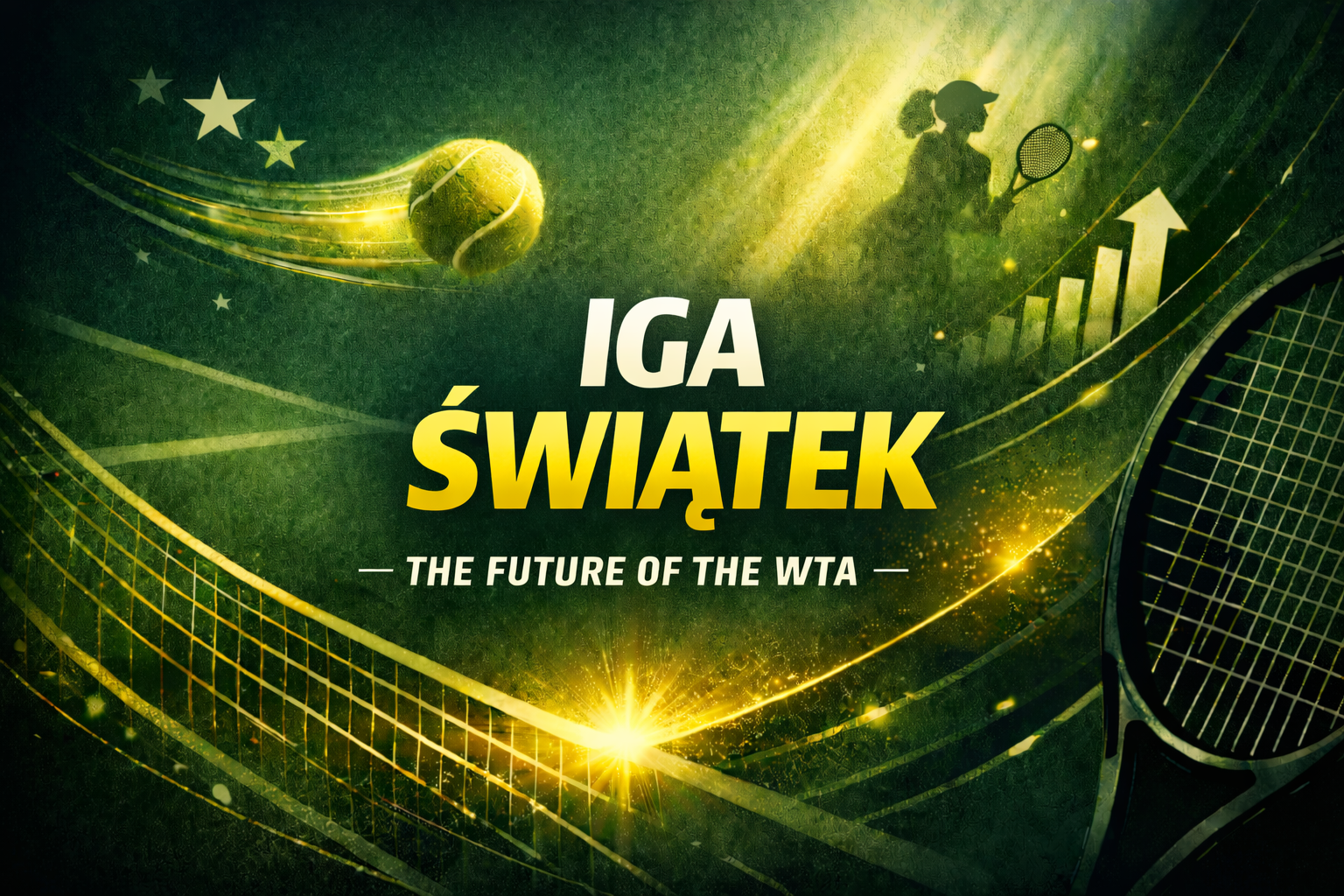
The conversation around the Iga Swiatek decline is growing louder as the Polish star approaches her mid-twenties. With 25 WTA titles and six Grand Slams across all surfaces, her legacy is already secured. However, recent performances raise a serious question: is she still improving, or has she already peaked?
Despite winning Wimbledon last year, Swiatek’s path lacked victories over top-10 opponents. While titles still matter, dominance over elite competition defines greatness. Since July, her only standout win against a top-tier player came against Elena Rybakina in Cincinnati — also her last tournament victory.
Her 2025 win rate stood at an impressive 78%, but in 2026 it has dropped to 70%. The numbers suggest she remains a strong competitor, yet no longer a dominant force against the very best.
What Has Changed?
The women’s game has evolved rapidly. Players like Aryna Sabalenka and Elena Rybakina have elevated their consistency, power, and mental resilience. They now combine aggressive shot-making with fewer errors and stronger serving — areas where Swiatek is currently lagging.
Confidence built from consistent wins at major events separates the top players. Swiatek hasn’t had that momentum since her 2024 French Open triumph. Her clay-court dominance has also faded, with no titles last season and multiple defeats to top rivals.
Serve Issues
Swiatek’s serve has become a clear vulnerability:
- Hold rate: 76% (below top rivals)
- First serve points won: 70.8%
- Second serve points won: 48.9%
- Double fault rate after missing the first serve: 12.8%
Compared to Sabalenka and Rybakina, who can rely on their serve under pressure, Swiatek struggles to generate free points. Opponents increasingly target her second serve, often with success.
Recent matches highlight the issue, including multiple breaks of serve in key losses. Without improvement here, closing the gap to the top players will remain difficult.
Winners vs Unforced Errors
Modern tennis demands a positive winners-to-errors ratio. Swiatek is currently falling short.
- Winners: 17%
- Unforced errors: 20%
This negative ratio contrasts sharply with players like Sabalenka. In high-pressure matches, her inconsistency—especially on the forehand—becomes exposed.
Matches often swing dramatically. For example, her Australian Open win over Kalinskaya (6-1, 1-6, 6-1) reflects fluctuating performance levels. Against elite players, such inconsistency proves costly.
Mentality Shift
At her peak, Swiatek dominated from the first point, overwhelming opponents with relentless pressure. That version of her game relied on confidence and control.
Now, she faces a different challenge: handling adversity. Visible frustration and emotional reactions during matches suggest mounting pressure. Opponents no longer fear her, and that psychological shift is significant.
Breaking her winless run against top rivals is critical. A single major victory over the elite could reset her confidence more than multiple wins over lower-ranked players.
Current Reality
Top players have found ways to beat her consistently:
- Gauff has won her last 4 matches against Swiatek
- Sabalenka has won the last 2
- Rybakina and Anisimova have also dominated recent encounters
The aura of invincibility is gone, and results have shifted accordingly.
What Happens Next?
The remainder of 2026 is crucial. Faster conditions, like those in Miami, will test her serve and forehand under pressure. Rising young players add another layer of difficulty.
Key questions remain:
- Can she fix her second serve?
- Will her forehand stabilize under pressure?
- Can she regain belief against top opponents?
Behind the scenes, coaching stability and preparation will also play a role. But ultimately, results will define the next phase of her career.
Conclusion
The Iga Swiatek decline is not about a player losing relevance — it’s about a champion facing a new level of competition and struggling to adapt. She is still capable of winning big titles, but clear improvements are needed.
2026 may define whether this period is a temporary dip or a lasting shift in the women’s tennis hierarchy.

Dan has followed professional tennis for many years with a particular focus on performance trends, match dynamics, and statistical analysis. He competed at national level as a junior, an experience that continues to inform his understanding of technique, tactics, and the physical and mental demands of elite competition. He has a particular interest in how player psychology influences decision‑making, momentum, and match outcomes.
He has attended numerous national and international tournaments alongside Katie, prioritising early‑round and outside‑court matches where emerging players and tactical developments are most visible. This on‑site exposure informs his analytical approach, grounding data‑led insights in live match observation rather than abstraction.
As a co‑founder of ChalkdustMedia, Dan is responsible for the platform’s analytical and statistical coverage, entirely focused on the WTA. His work focuses on translating complex performance data into clear, accessible insight, while also considering the psychological factors that shape form, resilience, and competitive consistency.
Dan’s approach combines consistency, objectivity, and a long‑term view of the sport, supporting ChalkdustMedia’s goal of delivering informed, independent tennis coverage under a single editorial banner.
How tennis players adapt to clay courts during the European swing