Pick a Corner, Win a Slam
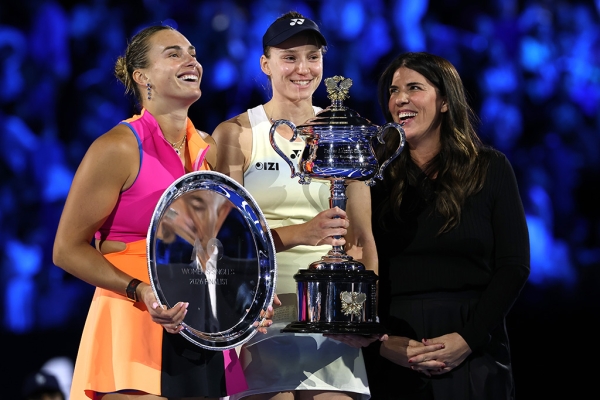
The Final That Refused to Pick a Winner
Rybakina and Sabalenka spent an entire final politely refusing to separate themselves.
They won the same number of points. They won virtually the same percentage behind their first serves. They even averaged almost identical serve speeds, as if they’d coordinated it in advance.
If you were hoping for a neat explanation — dominance here, collapse there — this was not your match.
And yet, trophies don’t get shared.
The Rybakina Serve, Explained Without Reverence
Rybakina is the best server in women’s tennis. Not in a mystical sense. Just in a measurable one.
She aces more often than anyone else, wins more points behind her first serve than anyone else, and does it all with minimal fuss. No dramatics, no chest‑beating. She hits her spot and lets the point vanish.
Against Sabalenka, she leaned into a simple idea: if you’re going to miss, miss while doing something useful.
Pick a Corner. Preferably That One.
At the biggest moments of the match, Rybakina kept returning to the same play: first serve, full commitment, backhand corner.
She saved break points with it. She ended the match with it. And when that serve landed, rallies mostly didn’t happen.
The obvious highlight was the wide ad‑court serve — the kind that drags a right‑hander off the court and leaves them scrambling. But the quieter damage came from the deuce‑court backhand corner, where Sabalenka was repeatedly forced into defence from the very first shot.
This wasn’t about variety. It was repetition with intent.
The Bravery Bit
Here’s the counter‑intuitive part: Rybakina does not make a lot of first serves. By tour standards, she misses plenty, and this match was no exception.
When she aimed for the backhand corner, only about half of those serves landed in.
Most players respond to that by easing off — safer targets, bigger margins, fewer double faults. Rybakina did the opposite. She accepted the misses because the makes were so damaging they tilted the maths in her favour.
Roughly a third of her service points began with a first serve to Sabalenka’s backhand corner. When those landed, the point was effectively decided.
Why Doesn’t Everyone Do This?
Because most players can’t.
Some don’t have the serve. Some don’t have the accuracy. Some don’t have the nerve to keep missing and keep going anyway.
What’s striking is that most opponents don’t even try. Against Sabalenka, first serves are usually spread around evenly, with a bit of hope mixed in. Rybakina didn’t hope. She chose.
This wasn’t reckless. It was calculated aggression — accepting low margins on one shot because everything else in her game is solid enough to absorb the risk.
A Pattern, Not a One‑Off
This wasn’t entirely new. Rybakina showed the same tendencies earlier in the tournament, including against Iga Świątek, where first serves into the backhand corner produced similarly uncomfortable results.
Even when the percentages dipped, the effect didn’t. When the ball landed there, elite returners struggled to survive the point.
Whether this becomes a permanent tactic or remains a situational weapon remains to be seen. On days when Rybakina’s timing is off, this approach could unravel quickly. But when she’s serving well, it asks a brutal question.
The Margin That Decided Everything
Sabalenka didn’t play badly. She didn’t choke. She didn’t get outclassed.
She won 92 points. She just needed 94.
That’s where this rivalry now lives: two or three points, decided by where a serve lands and whether someone is willing to keep aiming there.
Next time, Sabalenka will adjust. She’ll protect that corner more fiercely. She’ll survive one or two more of those serves. And that might be enough.
But on one Melbourne afternoon, Rybakina picked a spot, trusted it completely, and let a handful of serves tip an otherwise perfectly balanced match.
That’s not mythology. That’s just tennis, at the sharp end.
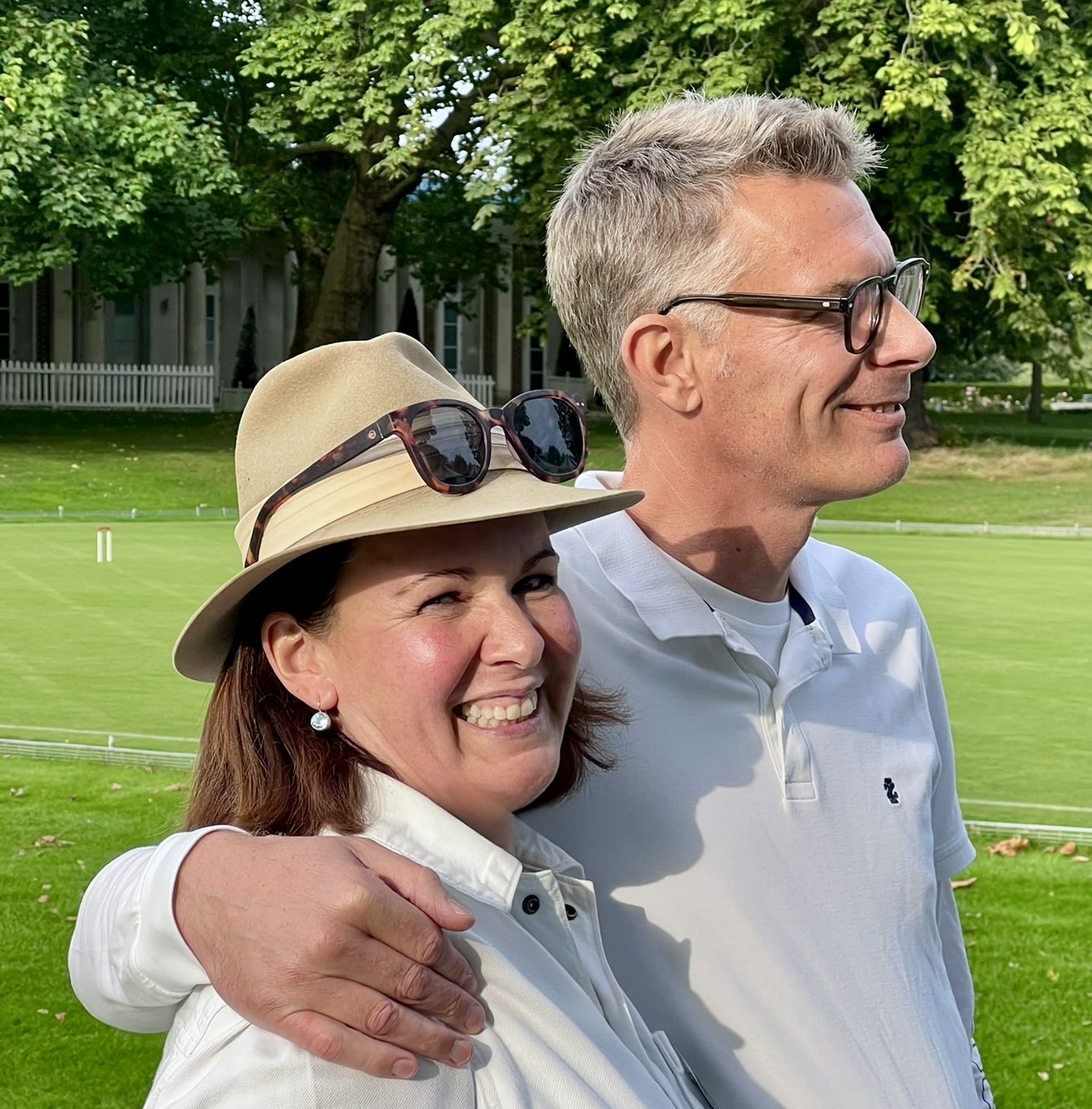
Katie grew up in Wimbledon Village and was introduced to the sport at an early age, attending The Championships long before digital ticketing and access systems became standard. That early exposure developed into a lifelong relationship with tennis, shaped both by playing club‑level tennis for many years and by experiencing the sport from the spectator side across all levels of competition.
While studying Economics, Katie worked in hospitality, an experience that sharpened her understanding of live events and audience experience — skills that later translated naturally into covering professional tennis as a committed and informed observer. Over time, she became a regular attendee at Wimbledon through club allocations, the public ballot, and the Queue, gaining a broad perspective on the tournament’s structure and culture.
Together with Dan, Katie has travelled extensively to national and international tournaments, with a particular focus on the early rounds and outside courts, where emerging talent is most visible. She has a long‑standing interest in player development and competitive dynamics, especially within the women’s game. Her role is ChalkdustMedia is as co host, production and blogging about the analysis of the Economics of the game.
Katie is a co‑founder of ChalkdustMedia, created to provide consistent, independent coverage of professional tennis with a dedicated focus on the WTA. Her work combines long‑term familiarity with the sport, on‑site experience, and an appreciation for the wider context that surrounds elite competition.
How tennis players adapt to clay courts during the European swing